




What is Rethymno best known for?
Rethymno – a name that refers both to the city and the wider region – sits between Chania and Heraklion along Crete's north coast. When the Venetians established control over Crete in the 13th century, it became an important administrative and cultural centre and the city today is home to one of the best-preserved Venetian old towns in Greece. The Ottomans who followed in the 17th century left their own mark, with minarets and former mosques now standing alongside Venetian facades.
The Fortezza – the great Venetian fortress built in the 16th century to defend against Ottoman attack – still dominates the town and, together with the lighthouse and compact harbour, forms one of the most recognisable and atmospheric waterfronts in Crete.
Beyond the city, beach resorts like Bali and Panormos can be found on the north coast, while the interior opens into a landscape dotted with olive groves and traditional villages such as Spili and Margarites. Mount Psiloritis – Crete's highest peak – rises to the south, with deep gorges cutting through its southern slopes towards the Libyan Sea.
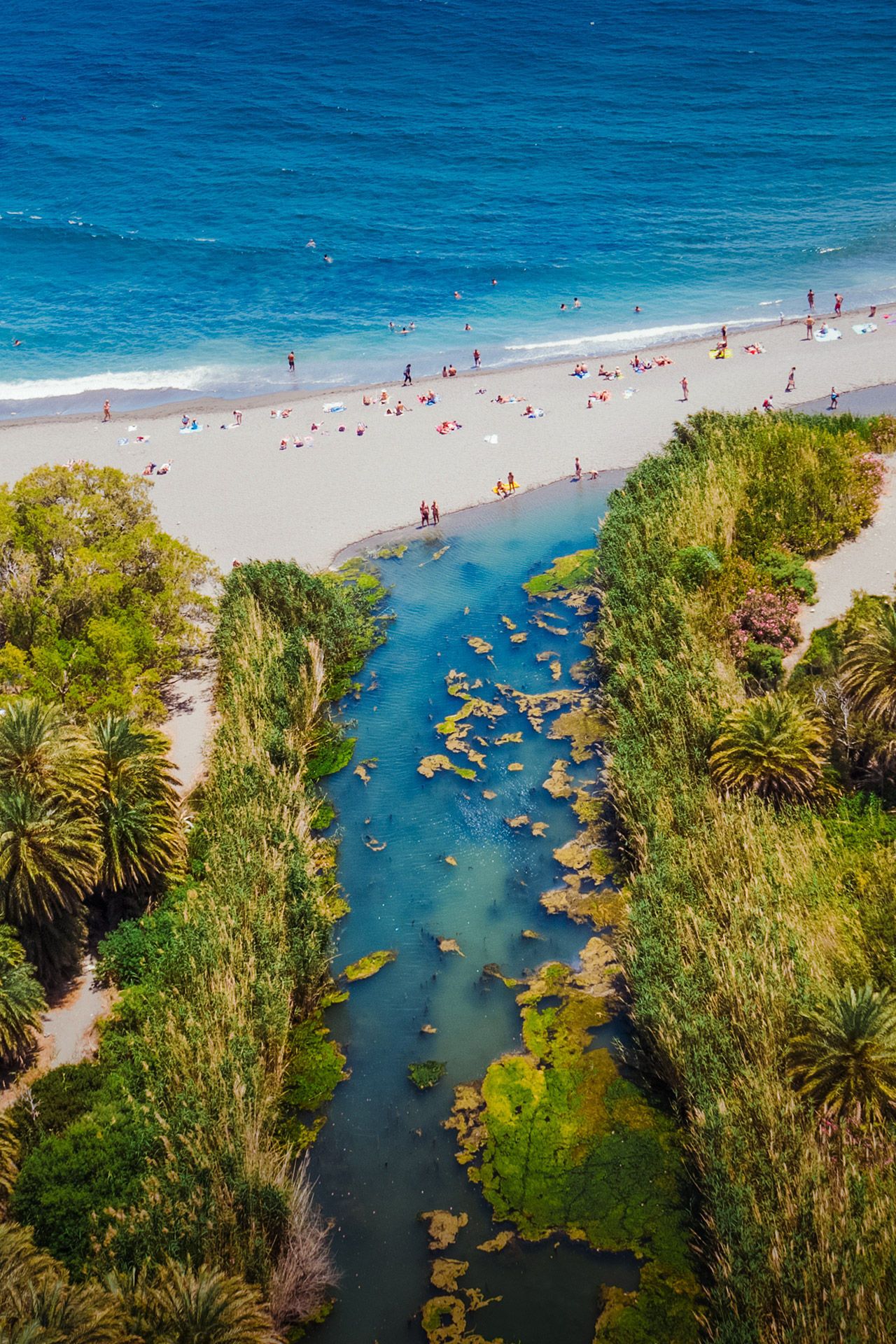
On the south coast, the beaches are wilder and more remote – the most famous being Preveli, a palm-fringed beach at the mouth of a gorge, fed by a freshwater river that meets the Libyan Sea.
What to do in Rethymno
The best way to get to know Rethymno is by strolling around the Old Town. There are reminders of Venetian rule everywhere – the Guora Gate, the 16th-century Loggia where noblemen once gathered, the Rimondi Fountain, and the harbour, dominated by the Fortezza on the headland above. Within the fortress are the remains of a Venetian councillors' residence, the Bishop's Palace and the Ibrahim Khan Mosque – now a venue for concerts and events. The Fortezza is the setting for the annual Renaissance Festival, which brings music, theatre and art to the city each summer.
Other Ottoman-era landmarks include the Neratzes Mosque, with its tall minaret and mausoleums. A lovely place to end your stroll is the palm tree-lined Eleftheriou Venizelou waterfront towards the new marina.
Rethymno also has a well-deserved reputation for its food scene – local cheeses, olive oil, celebrated pastries and sweets – best explored in the lanes around the old harbour, where restaurants occupy restored buildings with small garden courtyards.
And if you're visiting in the weeks before Lent, the Rethymno Carnival – with a history going back over a century – fills the streets with elaborate floats, costumed groups and late-night revelry through the Old Town.
Beyond the city, the region is made for exploring. Excursions south take in some of Crete's most varied scenery – freshwater Lake Kournas, the village of Argyroupoli with its ancient springs and watermills, and the dramatic Kourtaliotiko Gorge as you approach the Libyan Sea. There are hiking paths throughout the region and, inland, the Amari Valley unfolds with olive groves, Byzantine churches and villages like Spili, with its Venetian fountain and unhurried pace. Organised trips inland can include a visit to a mitato (a traditional shepherd's hut) where cheese is still made by hand.
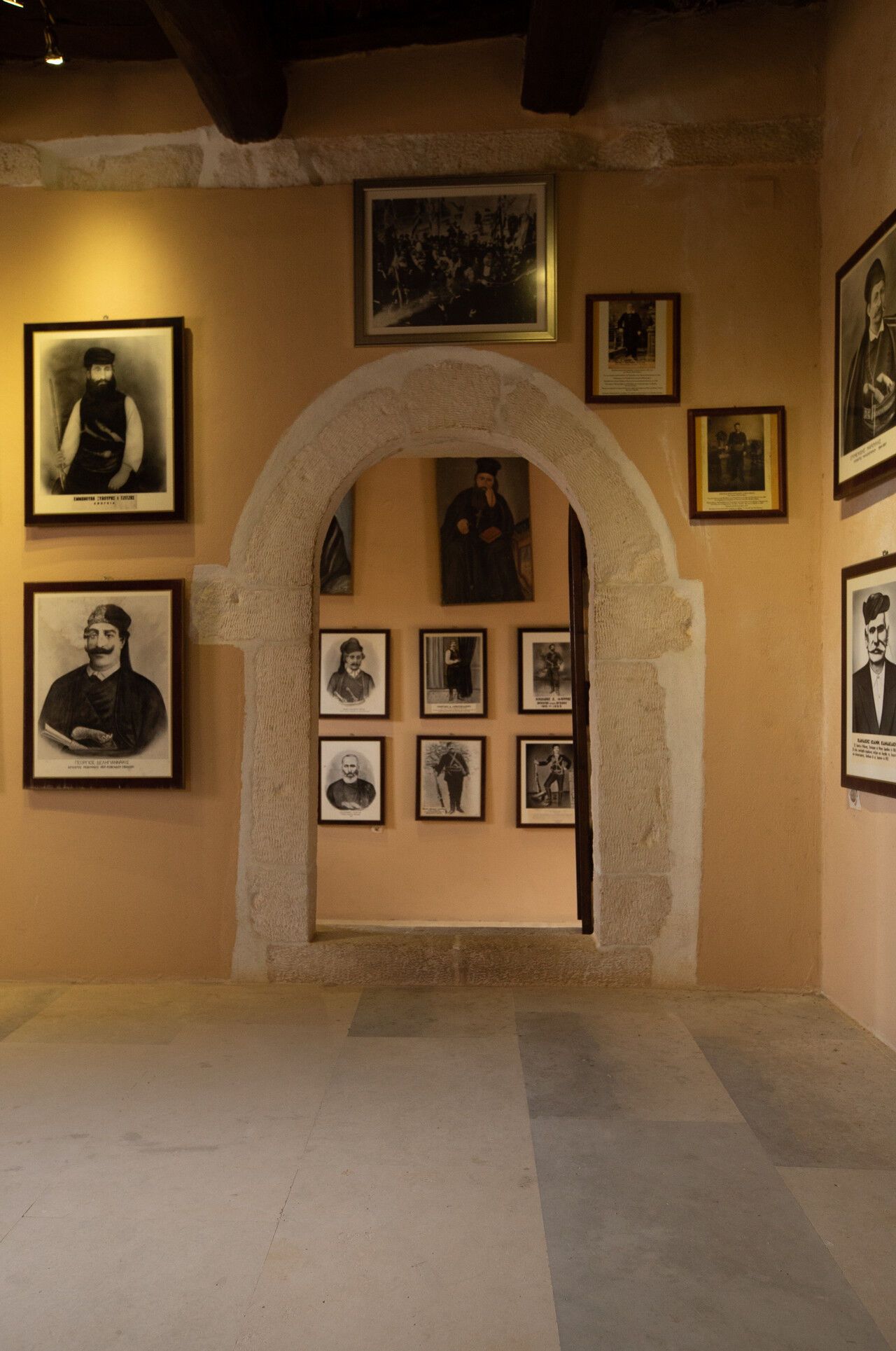
Anogia, on the northern slopes of Mount Psiloritis, is one of Crete’s most rewarding villages to visit. It is the birthplace of Nikos Xylouris, whose lyra playing and singing made him one of the most celebrated Greek folk musicians. Xylouris’ former home is open to visitors and the village still produces singers and lyra players of exceptional quality. Each July, the Lakinthia music festival is held in a stone theatre just outside the village. Anogia is also famous for its weaving tradition with shops selling embroideries and hand-woven textiles. The Anogia Weaving House, restored from a late 1940s workshop, keeps that tradition alive with traditional looms that are still in use.
Arkadi Monastery, around 25km southeast of the city, is one of Crete's most significant historical sites – where in 1866, defenders chose to blow up the powder magazine rather than surrender to Ottoman forces, an act that galvanised international support for Cretan independence.
Best Beaches in Rethymno
Rethymno's town beach stretches around 12km east of the old harbour – long, sandy and well-organised, with beach bars, sunbeds and water sports. And along the north coast, the resorts of Bali and Panormos each have their own beaches.
But the most rewarding beach experiences in Rethymno come on the south coast. Plakias has a long sandy beach with a relaxed feel, and nearby Damnoni – set at the edge of a green valley – offers fine golden sand and turquoise water, with quieter coves trailing off to the east. The standout is Preveli, where the Kourtaliotiko Gorge meets the Libyan Sea and a freshwater river spills into a saltwater lagoon fringed by palm trees.
Further east, Triopetra takes its name from three giant boulders rising from the sea. Rarely crowded even in high season, it splits into two stretches – Mikri and Megali – and is one of the most peaceful beaches in the region. Nearby Kalypso is a narrow fjord-like bay with no sand but striking natural rock pools and good diving off the rocks.
For the most out-of-the-way beach day in the region, a boat trip to Chrissi – a protected uninhabited island nine nautical miles into the Libyan Sea – delivers golden sand, cedar forest and water of extraordinary clarity.
Best time to visit Rethymno
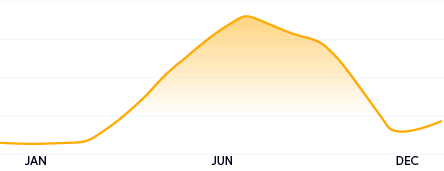
Rethymno has a long summer season, with reliable sunshine from May through to October. The most popular months are July and August, so the best time to visit Rethymno can often be May-June and September-October, when the temperature is still hot enough to swim but the city and beaches are quieter. Spring and autumn are the best seasons for visiting the Amari Valley and exploring the slopes of Mount Psiloritis and gorges in the south. The city has a year-round population of locals and students attending the University of Crete. The Rethymno Carnival, held in the weeks before Lent, is a wonderful reason to visit in early spring.
How to get to Rethymno
By air
Rethymno has no airport of its own. The closest options are Chania International Airport, around 68km to the west, and Heraklion International Airport, around 79km to the east. Both receive direct flights from Athens and many European cities, particularly during the summer season. Rethymno is around an hour away by car or public bus from either airport.
By ferry
Rethymno has its own port, located next to the Old Town, with direct ferry connections to Piraeus (the port of Athens). Crossings are typically overnight and take around nine to ten hours. In summer, there are also connections to Santorini and other Cycladic islands, around 2.5 hours away by high-speed ferry. If you are arriving via Heraklion or Chania, both cities are well connected to Rethymno by the KTEL bus service or hire car along the north coast highway.
By road
Rethymno sits on Crete's main north coast highway, making it straightforward to reach from either Heraklion (80 km) or Chania (65 km) by car or bus.






Plan Your Rethymno Itinerary
Get AI-powered suggestions or work with expert travel specialists
Tours & Activities in Rethymno
Discover authentic local experiences and secure your bookings for activities and tours with our official online rates.
The Ultimate Cretan Roadtrip - 10 Days i...
From Rethymno: Full-Day Kournas lake & A...
Unforgettable air balloon flight over th...
Exploring Central Crete's Rich Heritage
Crete: Tradiotional Villages, Spinaloga ...
From Rethymno: Day Trip to Preveli Beach...
Where to stay in Rethymno
Ionia Suites
Rethymno Mare & Waterpark
Grecotel Villa Oliva
Rethymno Mare Royal & Water Park
Kirki Village Hotel Rethymno
Kriti Beach Hotel
Book your transfers now
Discover the highest-rated ground transportation services for travelers, based on reviews across Google, Tripadvisor, and Trustpilot.
Welcome Pickups offers a seamless, safe, and enjoyable experience for travelers
Trained Drivers
Hand picked & trained drivers
Low prices
Same price as a regular taxi from the line
Arrival monitoring
Drivers are always on time
Quality support
24/7 email & phone support

Book your Ferry Now
Ferries to & from Rethymno
Find routes, ports & schedules - search below
Rethymno city has the widest range of accommodation in the region, from boutique hotels and restored guesthouses in and around the Old Town to larger hotels along the town beach. Staying within or close to the Old Town puts you within walking distance of the harbour, the Fortezza and the best restaurants and cafes. Along the north coast, the resorts of Bali and Panormos offer a full range of hotels and apartments for those who prefer a beach-based base. On the south coast, Plakias and Agia Galini are quieter options with a more relaxed, low-key feel. There are options to suit many budgets across the region. Book well in advance for July and August.
Rethymno shares in the broader tradition of Cretan cuisine – widely regarded as one of the healthiest in the world, built on extra-virgin olive oil, wild greens, pulses, local cheeses and fresh produce. Local dishes worth seeking out include dakos salad (barley rusk topped with tomato and cheese), boureki (a baked dish of courgette and potato with cheese), slow-cooked meats flavoured with wild herbs, and kalitsounia, small cheese pies that appear in both sweet and savoury versions. Tsikoudia – also known as raki – is a grape spirit served after meals and at all celebrations around Crete. The lanes around the old harbour and the streets of the Old Town offer the greatest concentration of restaurants and tavernas, ranging from traditional to more contemporary.
The climate in Rethymno is typically Mediterranean, with hot, dry summers and mild winters. Sunshine is reliable from May through to October, with July and August bringing the hottest temperatures, often reaching the mid-30s°C. The sea breeze along the coasts keeps conditions comfortable during the peak summer months. Spring and autumn are ideal for exploring the interior, when the heat is more manageable and the landscape is at its most vivid. Most rainfall occurs between November and March. In the mountains, conditions are more changeable, even in summer at altitude. Mount Psiloritis is snow-covered from mid-December through to early spring.
Rethymno is a safe and welcoming destination with a relaxed atmosphere. As with any popular destination, take basic precautions – keep an eye on your belongings in busy areas and avoid leaving valuables unattended on the beach. The city has a general hospital and pharmacies. Smaller health centres and pharmacies serve the outlying resorts and villages. Food safety standards are high. Bottled water is widely available – follow local advice on tap water. If you plan to hike, carry water, wear sunscreen and a hat, and check trail conditions before setting out. The emergency number for all services in Greece is 112.
Rethymno is both a city and a region in Crete, Greece's largest island, situated between Chania to the west and Heraklion to the east. The city is around 65 km from Chania and 80 km from Heraklion, connected by Crete's main north coast highway. The wider region extends southward to the Libyan Sea, taking in the Amari Valley, the slopes of Mount Psiloritis and the south coast beaches.
Rethymno Old Town is compact and easily explored on foot. Taxis are widely available in the city. For the wider region, hiring a car is the most flexible option, especially to reach beaches on the south coast and mountainous areas. The KTEL bus service connects Rethymno city with the main towns and resorts across the region, including Plakias and Agia Galini on the south coast. In summer, boat trips from the town beach and from Damnoni offer access to Preveli and other south coast beaches.
A minimum of three to four days gives you enough time to explore the Old Town thoroughly, spend time on the beaches, and visit landmarks like Arkadi Monastery. With five to seven days you can venture further – into the Amari Valley, along the south coast to Preveli and Triopetra, and up into the Psiloritis foothills. Rethymno is also a good base for day trips to Chania, with its iconic Venetian harbour, and Heraklion, home to the Palace of Knossos and the Heraklion Archaeological Museum.
Rethymno is a good choice for families. The long town beach is sandy, well-organised and within easy reach of the city centre, and the north coast resorts of Bali and Panormos offer calm, sheltered water suitable for children. The Venetian Old Town is engaging and walkable, with plenty of cafes and restaurants to keep everyone happy. The south coast requires more driving but rewards the effort. Damnoni and Plakias are relaxed, family-friendly beaches with facilities and a low-key atmosphere.
Rethymno has a lively bar and café scene, particularly in and around the Old Town and along the waterfront, but it is not a nightlife destination in the way that some Greek holiday destinations are. The city's student population keeps things lively year-round, and in summer the harbour area and main streets stay busy into the late hours. If you are looking for clubs and organised nightlife, Heraklion is the better option. If you prefer a more relaxed evening of drinks and music in atmospheric surroundings, Rethymno delivers that well.
Rethymno has a long summer season, and the city and its beaches are welcoming from May through to October. July and August are the busiest and hottest months. May, June, September and October offer warm weather with fewer crowds – the best conditions for both beach days and exploring the region's inland landscapes. The Rethymno Carnival takes place in the weeks before Lent, typically in February or March.